
One Team for Your Photos and Your Film
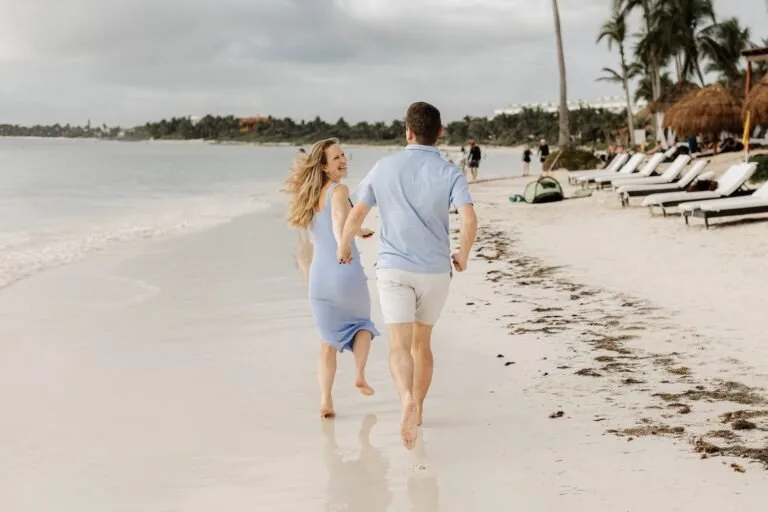
Photographs hold your wedding day still. Film lets it move again — your partner's voice catching halfway through the vows, your grandmother laughing at the toast, the Caribbean wind doing whatever it wants with the veil. More and more US couples planning a Cancun or Riviera Maya wedding are adding video to their photography coverage, and the smartest way to do it is with one team that shoots both.
This guide covers what wedding video formats actually exist, what film captures that photos can't, how drone footage works over the Caribbean, how video changes your timeline, and the questions you should ask any videographer before signing anything.

Photo + Video, Choreographed Together
Hiring separate photo and video vendors means two companies who have never worked together negotiating the same aisle in real time. One team that shoots both moves like a single unit — and your gallery and your film end up looking like they came from the same wedding.
-
No Elbowing for the Aisle Shot
A photo + video team choreographs positions in advance — who takes the aisle, who takes the reaction — instead of two strangers blocking each other during your processional.
-
One Timeline Conversation
You plan golden hour, first look, and family formals once, with one team — not refereeing two vendors who each want the same twenty minutes of perfect light.
-
Consistent Color & Style
Same eyes, same taste, same edit philosophy. Your film and your gallery share skin tones, color grading, and mood instead of looking like two different weddings.
-
One Vendor Fee, Not Two
Resorts that charge external vendor fees usually charge per company. One team for photo and video typically means one fee instead of two — real money saved.
What Wedding Video Formats Should You Ask About?
Wedding videography is not one product — it’s a family of edits, and knowing the names helps you compare quotes intelligently. The most common format is the highlight film: a cinematic edit, typically around three to six minutes, that compresses the whole day into one watchable, shareable piece set to music and layered with real audio from your vows and toasts. It’s the edit most couples rewatch on every anniversary.
The second format is the documentary edit — the full ceremony and speeches, lightly edited, in real time. Less cinematic, far more complete. Twenty years from now, this is the file where your officiant’s words, your full vows, and every toast still exist start to finish. Many couples pair both: the highlight film for sharing, the documentary edit for keeping.
Finally there are social teaser clips — short vertical cuts made for Instagram and TikTok, often delivered sooner than the main film so you have something to post while the full edit is in progress. Formats and combinations vary by studio and change over time, so confirm what’s currently offered; ask for current video add-on rates on WhatsApp and we’ll walk you through the options.
What Does Video Capture That Photos Can't?
Sound, mostly — and motion. A photograph of your vows shows the moment; the film lets you hear them out loud, in your own voices, with the waves underneath. It catches your people laughing — not the posed smile after the joke, but the laugh itself. The wind moving the palms, the band finding the chorus, your friends singing badly and meaning it. Photography is how you’ll show the day; film is how you’ll hear and feel it again.
That’s why we tell couples the two mediums aren’t competing for the same budget line — they answer different questions. If you’re weighing where video fits in the overall spend, our Cancun wedding photographer cost guide breaks down how coverage budgets typically come together. Our photography collections start from $1,550 USD with every edited photo included, and video is quoted as an add-on on top of the collection you choose.
Is Drone Footage Worth It Over the Caribbean?
Few opening shots beat a drone pulling back over turquoise water to reveal your ceremony arch on white sand. Over the Caribbean, aerial footage is genuinely jaw-dropping — it establishes the place in a way no ground camera can, which is half the reason you chose a destination wedding in the first place.
Two honest caveats. First, drone flights in Mexico are subject to aviation and airspace rules, and parts of the Cancun hotel zone sit near airport-controlled airspace — a professional operator plans around this rather than improvising. Second, some resorts restrict or prohibit drone use on their property regardless of airspace, so confirm your venue’s policy with your wedding coordinator before counting on aerials. When conditions and permissions line up, it’s one of the most spectacular additions a beach wedding film can have.
How Does Adding Video Change Your Wedding Timeline?
Less than you’d fear, but more than zero. The biggest difference is audio: to get your vows clean over wind and surf, the officiant and at least one of you will usually wear a small lavalier microphone, clipped on a few minutes before the processional. It takes moments, but someone has to plan for those moments.
The second difference is golden hour. That last warm block of light before sunset is the most valuable real estate of the day, and now photo and film are sharing it. With one team that’s a choreography handled internally — a few minutes of moving portraits for the film woven between stills — rather than two vendors negotiating on the spot. If you’re building your schedule, our destination wedding photography timeline guide shows where every block fits; adding film mostly means protecting that golden-hour window a little more deliberately.
When Will Your Wedding Film Be Ready?
Set expectations now and you’ll be happier later: video takes longer than photos. Our photo galleries are delivered in two to three weeks, fully edited. Film is a heavier craft — syncing multi-camera footage, cleaning audio, color grading, cutting to music — so wedding films across the industry typically take noticeably longer than the photo gallery. Teaser clips often arrive sooner, which keeps you posting while the main edit is in progress. Ask for the current editing turnaround when you enquire, and get the delivery window written into your agreement.
What Questions Should You Ask Any Wedding Videographer?
Whoever you hire — us included — these questions separate professionals from someone with a nice camera:
Do you deliver full films or only highlights? If hearing your complete vows and toasts matters, confirm a documentary edit is available, not just a three-minute cut. How do you record audio, and is there a backup? Beach ceremonies eat sound; you want lavalier mics plus a backup recorder, not a camera microphone fighting the wind. Who owns the footage, and what exactly is delivered? Know whether you receive the edited films only or raw files too, in what resolution, and how long the studio keeps your footage archived. Have photo and video worked together before? The honest answer to that one is the whole argument for a single team.
One more for resort weddings: ask your coordinator how external vendor fees apply to videographers — our guide to resort vendor fees in Cancun explains how the fees work and why one combined photo + video team usually means paying once instead of twice.
Want Your Day in Motion, Not Just on Paper?
Tell us your date and venue and we’ll put together photo + video coverage with one team, one timeline, and one consistent look — current video add-on rates included.
Cancun Wedding Videography, Answered
Do we really need video, or are photos enough?
Photos are the foundation — but film is the only way to keep sound and motion: your vows in your own voices, the toasts, your people laughing. Couples rarely regret adding video; the most common regret we hear is from couples who skipped it. If budget forces a choice, prioritize photography and add at least a highlight film if you can.
Can the same team shoot both photo and video?
Yes — and that's exactly the point. One team choreographs the aisle, the first look, and golden hour internally instead of two separate vendors competing for angles. You also get one timeline conversation, one consistent editing style across gallery and film, and at most resorts one external vendor fee instead of two.
How long until the wedding film is ready?
Longer than the photos — that's normal across the industry. Our photo galleries arrive in 2–3 weeks fully edited, while film involves multi-camera syncing, audio cleanup, and color grading, so edits typically take longer. Short teaser clips are often delivered sooner. Ask for the current turnaround when you enquire and have it written into your agreement.
Can we get the raw footage?
Policies vary by studio — some include raw files, some offer them as an add-on, some don't release them at all. If having every unedited clip matters to you, ask before booking and get the answer in writing, along with how long footage is archived after delivery.
Is drone footage allowed at beach weddings in Cancun?
Often, but not everywhere. Drone use in Mexico is subject to aviation rules, parts of the Cancun hotel zone sit near controlled airspace, and some resorts restrict drones on their property regardless. A professional operator plans flights around these limits — confirm your venue's drone policy with your wedding coordinator before counting on aerials.
Do you mic the vows?
Any serious beach-wedding videographer should. Wind and surf overwhelm camera microphones, so clean vow audio comes from small lavalier mics on the officiant and couple, ideally with a backup recorder running. It adds only a few minutes before the processional and it's the difference between hearing your vows and watching them mute.