
Style is the word couples never learn until it's too late
Most couples book a wedding photographer on a feeling. The portfolio looks beautiful, the price fits, the dates are open, done. Then the gallery arrives and something is subtly off: the photos are technically perfect but they don't feel like the day you remember. Almost every time, the culprit isn't talent, it's a style mismatch nobody had the vocabulary to name before signing.
This guide decodes the words photographers use, documentary, traditional, editorial, fine-art, and the editing looks layered on top, so you can recognize what you're actually looking at and choose someone whose style fits how you want to remember your wedding. We're a Cancun-based team that has photographed 1,000+ couples across the Riviera Maya, and we blend these styles every weekend, so we'll be honest about what each one really delivers.
What each style looks like, and who it suits
Almost every wedding photographer works somewhere on this map. None of these is better than the others; the only wrong style is the one that doesn't match what you want to feel when you look back.
-
Documentary / photojournalistic
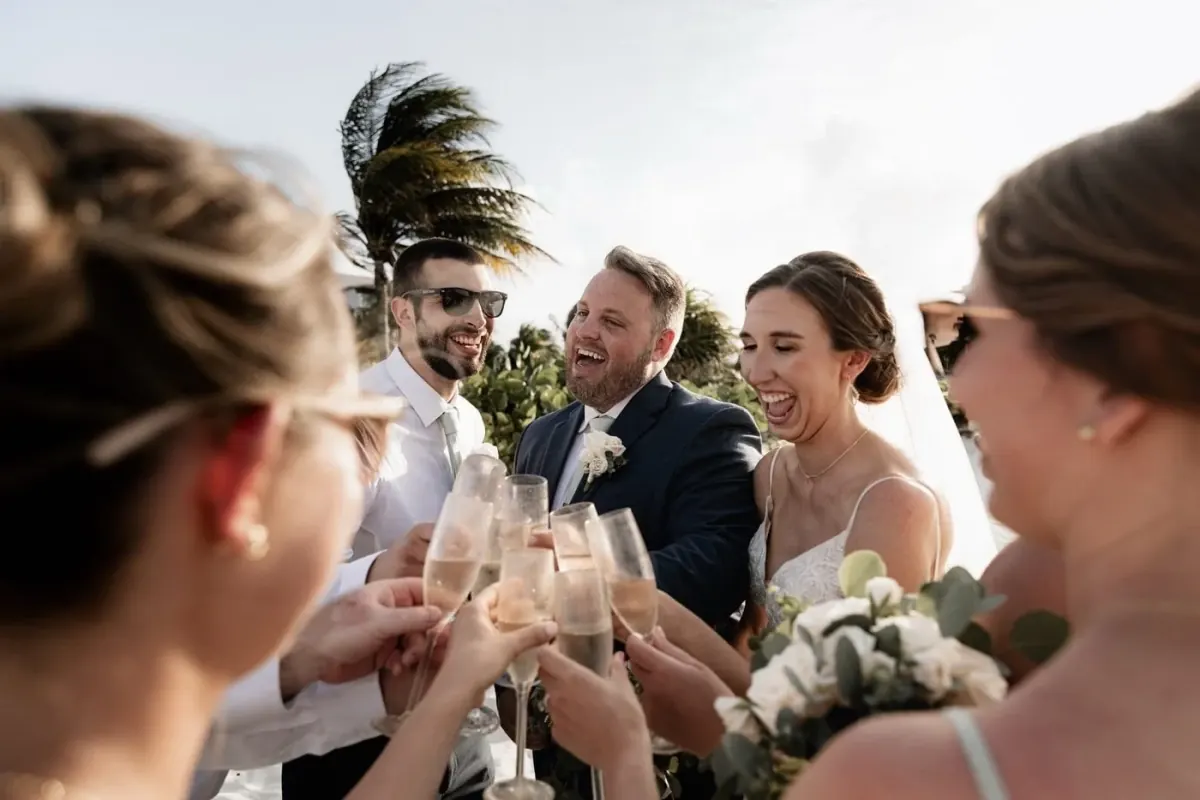
Candid, unposed, the story of the day as it unfolds with minimal direction. Real tears, real laughter. Suits couples who hate posing and want honest emotion.
-
Traditional / classic
Posed portraits, full family formals, timeless framing. Nothing trendy to date it. Suits couples who want the album their parents and grandparents will love.
-
Editorial / fashion
Magazine-style, directed poses, dramatic light and bold composition. Suits couples who want striking, gallery-wall images, and it shines on a bright beach.
-
Fine-art
Dreamy, soft, artistic framing with a painterly feel and careful negative space. Suits couples drawn to romantic, ethereal images over crisp realism.
What is the difference between documentary and traditional wedding photography?
These two are the oldest poles of the conversation, and they pull in opposite directions. Knowing where you sit between them already narrows your search by half.
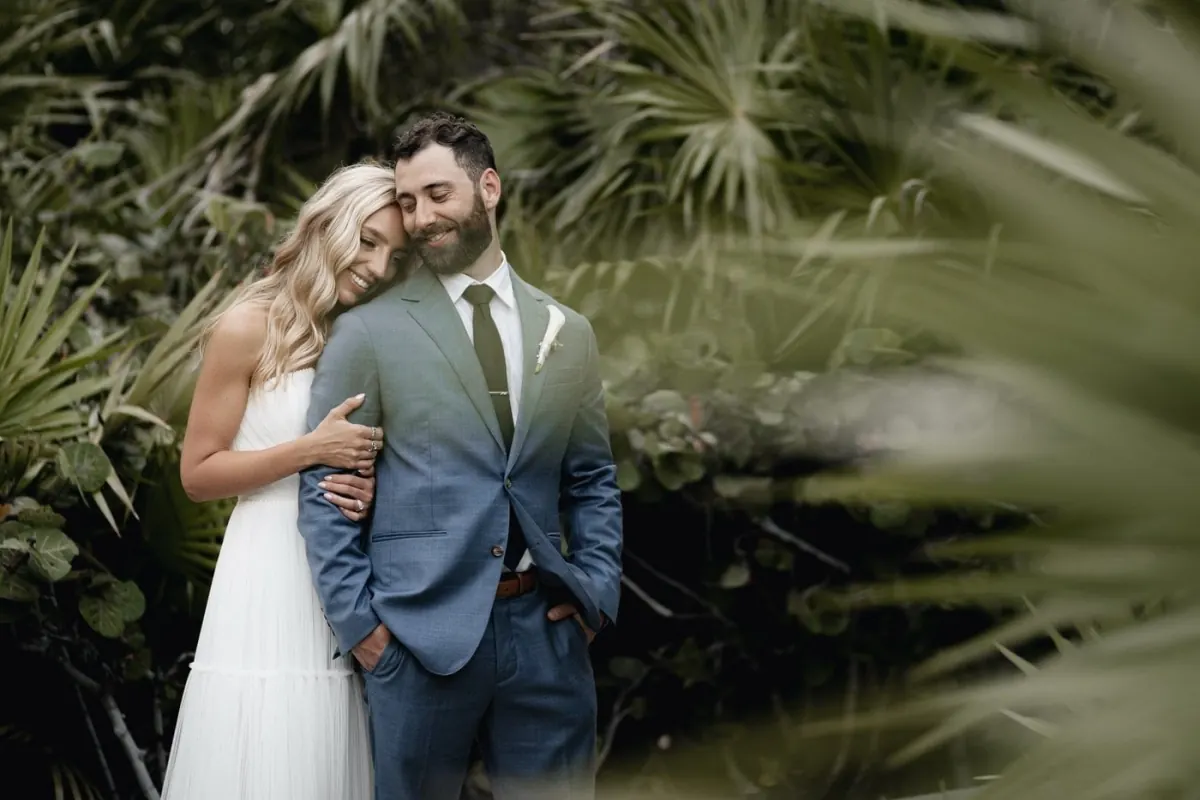
Documentary (also called photojournalistic) photography is about catching life as it happens. The photographer stays out of the way, gives almost no direction, and shoots the day like a journalist covering a story: the nervous glance before the vows, the aunt wiping a tear, the spontaneous dance-floor pileup. You won't be posed much, and the reward is images that feel breathtakingly real. The trade-off is that you're trusting the moment, if you also want a perfect, smiling portrait with everyone facing the camera, a pure documentary shooter may not deliver it.
Traditional (or classic) photography is the opposite instinct. The photographer directs you and your families into composed, flattering portraits, the first kiss framed just so, the full family lineup, the two of you looking timeless. These are the images that hang on walls for fifty years and never look dated. The trade-off is time and energy: formal sets take the photographer in and out of moments, and if you dread posing, a heavily traditional approach can feel like work on a day you'd rather just live.
Here's the honest truth most couples never hear: you don't have to choose. The best wedding coverage is documentary and traditional, candid storytelling through the ceremony and reception, with a focused window of classic family formals and posed portraits where they belong. That blend is exactly how we shoot.
What is editorial wedding photography?
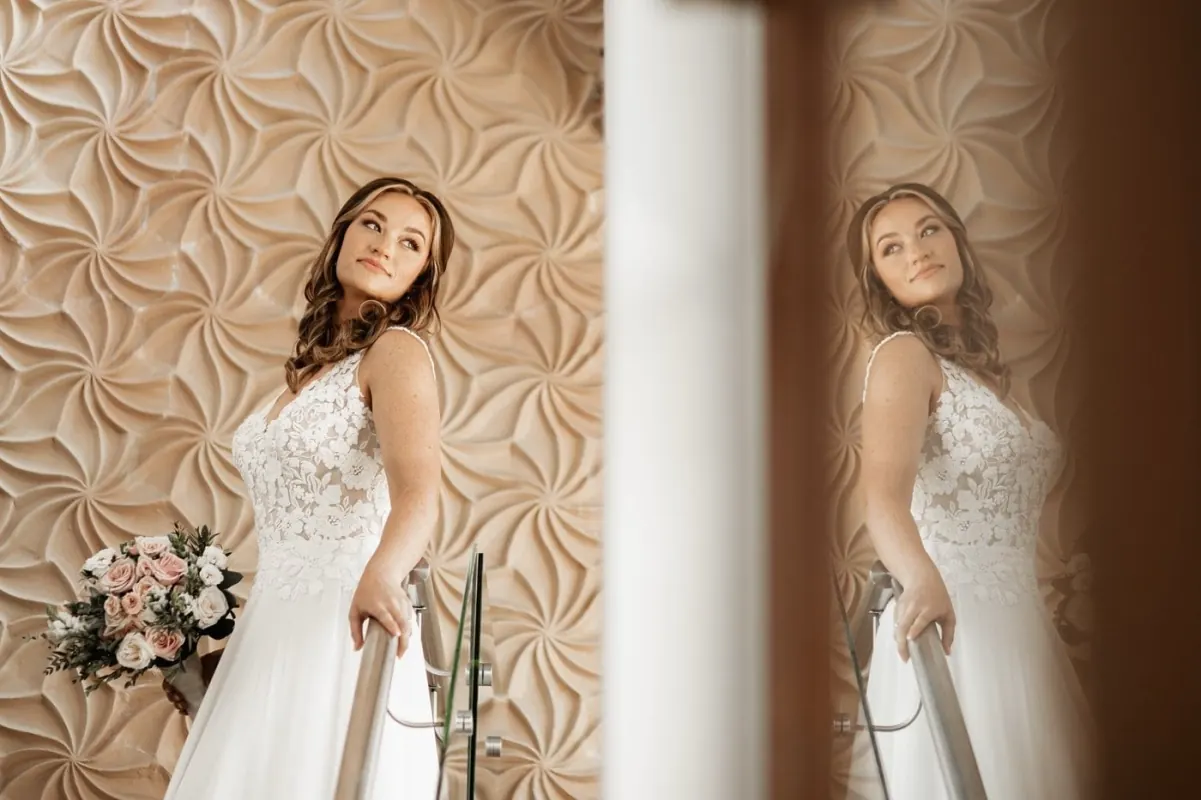
Editorial, sometimes called fashion-style, borrows the language of magazine shoots. The photographer is an active director: posing you with intention, hunting dramatic light, building bold compositions with strong lines and negative space. Where documentary disappears and traditional flatters, editorial elevates, the goal is an image that could run as a full-page spread.
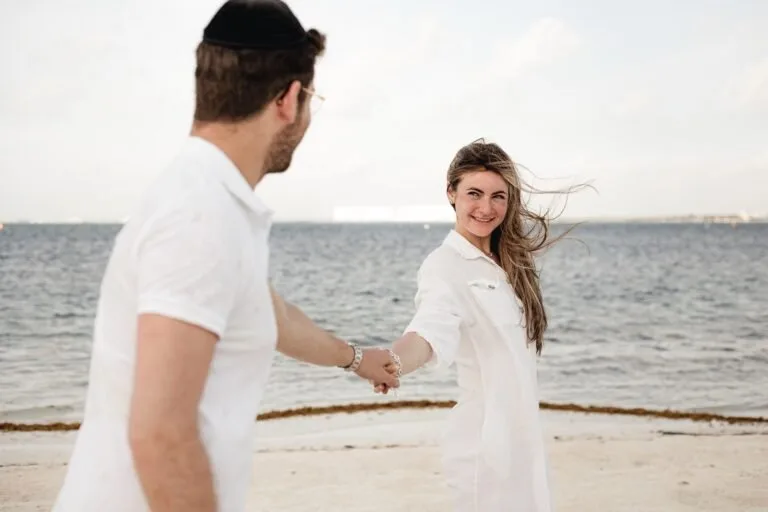
This is the style behind the beach portraits couples save to their inboxes for years. A windswept veil against open ocean, a silhouette in the last gold light, the two of you small against a vast sky, those are editorial instincts at work. It does ask something of you: you'll take direction and a handful of portraits will be staged rather than spontaneous. For most couples that's a fair trade for a few jaw-dropping frames, especially in a setting as photogenic as the Riviera Maya. If you're weighing which questions reveal a photographer's real style, our list of questions to ask a wedding photographer includes the one that flushes it out fastest.
What about fine-art wedding photography?
Fine-art sits beside editorial but reaches for a different mood. Instead of bold and graphic, it goes dreamy and painterly: soft focus, gentle tones, intentional negative space, framing that feels more like a canvas than a snapshot. The images are romantic and ethereal, less about documenting the day and more about evoking a feeling.
It suits couples who fall for the soft, timeless, almost cinematic look over crisp realism. The thing to check is consistency, fine-art relies heavily on light and on the editing hand, so you want to see a full gallery, not three perfect frames, and confirm the dreamy quality holds across an entire wedding day rather than just the best three minutes of golden hour.
Light-and-airy or dark-and-moody, which editing look ages best?
Style isn't only how a photographer shoots, it's how they edit. The same beach portrait can be finished three completely different ways, and this choice shapes the feel of your whole gallery.
Light and airy means bright, pastel, low-contrast images with creamy whites and a soft, romantic glow. It's endlessly popular and gorgeous on the day, but it leans on a heavy editing preset, and trend-driven presets are exactly what makes photos look five years old in five years.
Dark and moody pushes the other way: deep shadows, muted earthy tones, rich drama. It's atmospheric and striking, and like its opposite, it's a strong stylistic filter that can date as tastes shift.
True-to-color is the quiet third option, and it's the one we steer most couples toward. The skin tones look like real skin, the ocean is the blue you remember, the dress is the white it actually was. It's less Instagram-trendy in the moment, and that's precisely why it ages best: there's no era-stamped preset to go stale. A heavy look you love today can feel like a 2020s time capsule a decade from now, while true-to-color simply looks like your wedding, forever. You can always print a couple of moody favorites, but for the gallery you'll revisit for life, accurate color is the safe, timeless foundation.
Can one photographer really do multiple styles?
Yes, and the best ones almost always do. The clean four-box diagram is a teaching tool, not how real weddings are shot. A great photographer reads the moment and switches languages: documentary through the ceremony so nothing is staged, editorial for a focused set of dramatic portraits at golden hour, and classic, traditional formals for the family photos everyone will want printed, all in a single day, finished in one consistent edit.
That's exactly what we do, and it's why we ask couples how they want to feel looking back rather than which box they'd tick. The label matters far less than the blend. What you should watch for is a photographer who can only do one thing, if every image in their portfolio is the same heavily-styled look, that's what your whole wedding will become, moments that didn't fit the style and all.
How do I figure out my own style?
You don't need the vocabulary to know what you love, but the vocabulary helps you find more of it. Three steps work better than scrolling:
Look at full galleries, not single images. One stunning frame tells you a photographer can get lucky in perfect light. A complete wedding gallery, start to finish, tells you what your whole day will look like, including the harsh midday sun and the dim reception. Insist on seeing two or three full galleries before you decide. Our guide on how to choose a destination wedding photographer walks through exactly what to look for once you're inside a full gallery.
Ask the feeling question. Pull up images you love and ask: do these feel like us? Quiet and intimate, or bold and glamorous? Posed and polished, or candid and alive? Your honest answer points straight at documentary, traditional, editorial, or fine-art, without you ever needing the terms.
Decide where you'll spend your energy. If posing drains you, lean documentary. If a wall-worthy portrait matters most, lean editorial. If you want the album your family treasures, make sure traditional formals are in the mix. Many couples want all three, which is the whole case for hiring someone who blends.
Why does the destination change which style fits?
A beach wedding in bright tropical light is a different photographic problem than a dim ballroom, and it tilts the style math. Cancun, Tulum, Isla Mujeres, and the rest of the Riviera Maya hand you brilliant sun, turquoise water, and open horizons, conditions that reward an editorial eye and true-to-color editing, and quietly punish a dark-and-moody preset.
Push deep shadows and muted tones onto a sun-drenched beach and you fight the very thing that makes the location magical; the images can end up muddy and at war with the setting. Lean into the light with editorial composition and accurate color, and the ocean stays the blue you remember while the portraits look striking and effortless. It's also why we recommend 8 a.m. or golden-hour starts, the light at those hours flatters every style at once. If your destination is still up in the air, our breakdown of whether to do a first look at a beach wedding shows how timing and light shape the day's photos as much as style does.
The bottom line on style
Style is the vocabulary that turns a hopeful guess into a confident choice. Documentary captures the truth of the day, traditional preserves the timeless formals, editorial creates the striking portraits, and fine-art chases the dreamy mood, and a genuinely good photographer can move between all of them and finish them in true-to-color so your gallery never dates. Across 6+ years and 1,000+ couples on the Riviera Maya, that blend is how we work: every edited photo included with no caps, collections from $1,550 USD, and your finished gallery in two to three weeks.
Not sure which style is yours?
Send us your wedding date and the kind of images you're drawn to. We'll show you full galleries in each style and tell you honestly which blend will suit your day and your destination.
Wedding photography styles, answered
What is the difference between documentary and traditional wedding photography?
Documentary (photojournalistic) photography captures the day candidly, with minimal direction, for images that feel real and unposed. Traditional (classic) photography is directed: composed portraits and family formals built to look timeless. Most couples want both, candid storytelling through the day plus a focused set of posed portraits, which is why many great photographers blend the two.
What is editorial wedding photography?
Editorial, or fashion-style, wedding photography borrows from magazine shoots: directed posing, dramatic light, and bold composition. The photographer actively stages a handful of striking, gallery-worthy portraits rather than only documenting. It is the look behind those windswept beach images and works especially well in the bright, open light of a destination like Cancun or Tulum.
Light-and-airy or dark-and-moody editing, which ages better?
Both are heavy, trend-driven presets that can date your gallery as tastes change, light-and-airy leans bright and pastel, dark-and-moody leans deep and shadowy. True-to-color editing ages best because there is no era-stamped filter to go stale: skin looks like skin, the ocean is the blue you remember, and the gallery simply looks like your wedding decades later.
Can one photographer shoot in multiple styles?
Yes, and the best ones do. A skilled photographer reads each moment and switches: documentary through the ceremony, editorial for dramatic golden-hour portraits, and classic traditional formals for family photos, all in one day and finished in a single consistent edit. The clean four-style diagram is a teaching tool; real weddings are a blend.
How do I find my own wedding photography style?
Look at full galleries from start to finish, not single highlight images, so you see how a photographer handles a whole day including harsh sun and dim receptions. Then ask the simple question: do these photos feel like us? Your honest answer, quiet or bold, posed or candid, points you toward documentary, traditional, editorial, or fine-art without needing the jargon.
Which style suits a beach wedding best?
Bright tropical light and open ocean favor an editorial eye with true-to-color editing. Dark-and-moody presets fight the very light that makes a beach setting beautiful and can look muddy. Editorial composition plus accurate color keeps the water the blue you remember and the portraits striking, which is why we recommend it, and 8 a.m. or golden-hour starts, for Riviera Maya weddings.